


en
en v
Phone
Cart0 Tickets
Total: 0
Account
Calendar
Search
Menu

The Clemency of Titus

VenueGran Teatre del Liceu
CalendarWed 25 Nov 2026 - Tue 01 Dec 2026
Synopsis/Details


The Clemency of Titus – Wolfgang Amadeus Mozart

Opera seria in two acts

Libretto by Pietro Metastasio and Caterino Mazzolà


The Clemency of Titus is an opera of intense passions, woven through love, betrayal, and forgiveness

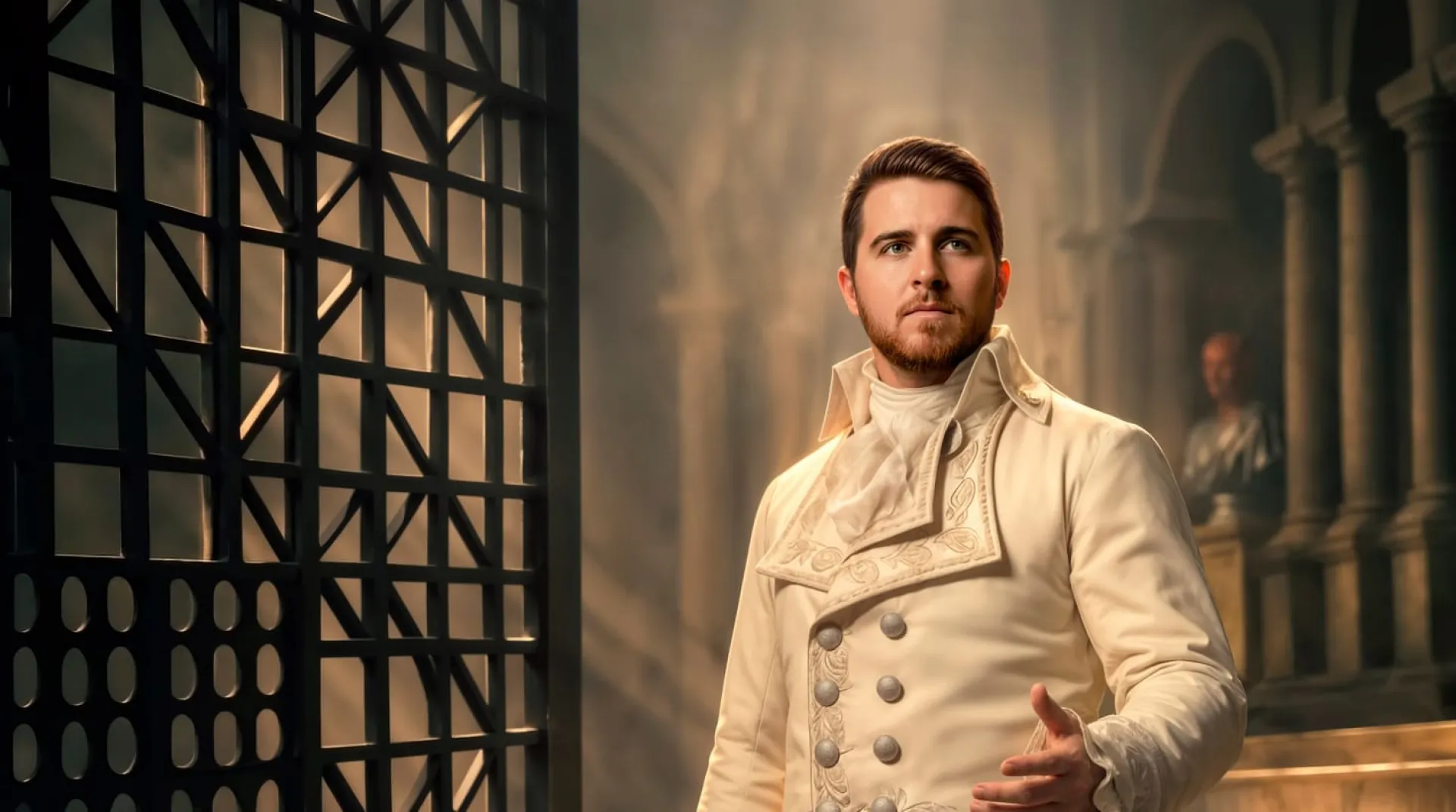
The Clemency of Titus is an opera of intense passions, woven through love, betrayal, and forgiveness. David McVicar’s production at the Festival d’Aix-en-Provence stands out for its visual power and for its profound psychological portrait of the characters. At the helm, maestro Jordi Savall brings a reading of exceptional elegance and poetic depth. With a transparent, incisive, and richly coloured direction, Savall reveals the full dramatic modernity of Mozart and rekindles the moral energy that runs through this work.

Composed in just six weeks for the coronation of Leopold II in Prague in 1791, The Clemency of Titus presents a solitary emperor, wounded by the betrayal of those around him, yet capable of responding with a clemency that makes him a symbol of a higher political ethic. The contrast with Vitellia’s manipulative darkness and with Sesto’s torment, torn between loyalty and desire, creates a drama of exceptional intensity.


Its musical architecture heightens this depth: Tito’s noble arias stand in contrast to Sesto’s inner turmoil —such as the virtuosic Parto, parto— and to the penitential tension of Deh, per questo istante solo. Mozart moves between turbulence and elevation, between human weakness and moral strength.

Premiered three months before the composer’s death, the opera fascinated the nineteenth century and remains a dramatic miracle in which sex, power, and political ambition are combined with a radical commitment to mercy. With a first-rate cast —Jack Swanson (Tito), Marianne Crebassa (Sesto), and Karine Deshayes (Vitellia)—, McVicar’s reading emerges with a contemporary intensity that reinforces the message.

If the Enlightenment places its faith in reconciliation, Mozart sublimates it in a work that raises forgiveness into a transformative force. A luminous and visionary ending that anticipates Beethoven and consecrates Mozart’s last opera seria as a moral and theatrical triumph.

  • 🕒 Running time
    • approximately 2 hours 40 minutes
Cast

Tito Vespasiano: Jack Swanson

Vitellia: Karine Deshayes

Sesto: Marianne Crebassa

Servilia: Lina Johnson

Annio: Marian Beate Kielland

Publio: Božidar Smiljanić


Stage direction - David McVicar

Set design - Bettina Neuhaus and David McVicar

Costume design - Jenny Tiramani

Lighting design - Jennifer Tipton

Production - Gran Teatre del Liceu (created by the Festival d’Art Lyrique d’Aix-en-Provence 2011)

Chorus of the Gran Teatre del Liceu - Director Pablo Assante

La Capella Nacional de Catalunya - Director Lluís VIlamajó

Le concert des Nations - Director Jordi Savall

Venue
Gran Teatre del Liceu

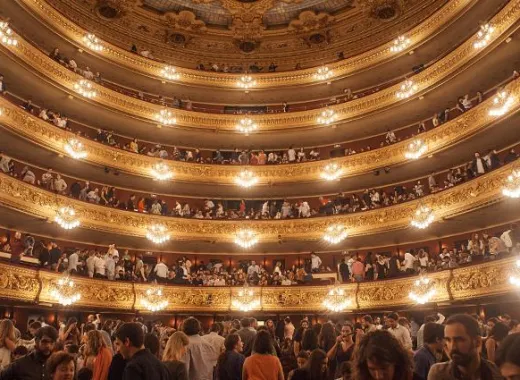
Barcelona's opera house, the Gran Teatre del Liceu, was founded on the Rambla in 1847 and has continued over the years to fulfil its role as a culture and arts centre and one of the symbols of the city.

Today it is publicly-owned (by the Government of Catalonia, Barcelona City Council, Barcelona Provincial Council and the Ministerio de Educación, Cultura y Deporte) and administered by the Fundació del Gran Teatre del Liceu which, in addition to the aforementioned bodies, incorporates the Patronage Council and the Societat del Gran Teatre del Liceu (the old society of owners).
 

Origins: From 1837 to 1847

The Liceu evolved out of the Sociedad Dramática de Aficionados (Society of theatre-lovers) set up in 1837 at the instigation of Manuel Gibert in the former convent of Montsió by members of the National Militia, an organization of armed citizens with liberal leanings.
Barcelona's economy and population were growing fast at the time and the city needed a music conservatory. This led to the conversion of the Sociedad Dramática into the Liceo Filármonico Dramático Barcelonés de S.M. la Reina Isabel II (Barcelona Dramatic and Philharmonic Lyceum of HM Queen Isabel II).  In addition to its theatrical activities, the new organization cultivated Italian-style singing and music.
 

The building on the Rambla

The original building was solemnly opened on 4 April 1847. The plans had been drawn up by Miquel Garriga i Roca, subsequently assisted by Josep Oriol Mestres. The project was funded by selling shares, which meant that many of the boxes and seats were to be privately owned. The shareholders formed the Societat del Gran Teatre del Liceu, known as the “Societat de Propietaris” (Society of Owners),  which was in sole charge of running the Gran Teatre del Liceu from 1855 onwards, after it was legally separated from the Conservatori del Gran Teatre del Liceu.
The theatre was operated by impresarios who were given a concession to stage a specific number of productions in exchange for the proceeds from the sale of tickets not reserved for the Societat itself. This system was to endure until 1980.
 

The creation of the Consortium

By the last quarter of the 20th century this management system was no longer viable. In 1980, to avert the danger of the disappearance of an institution of such worldwide cultural renown, the Generalitat  Catalonia's first government in modern times – set up a consortium, the Consorci del Gran Teatre del Liceu, which also incorporated Barcelona City Council and the Societat del Gran Teatre del Liceu. Barcelona Provincial Council joined the Consortium in 1985, followed by the Spanish Ministry of Culture in 1986. From then on the Consortium took over operation of the theatre.


Accomodation

Buy now

Gift vouchers

Gift someone an unforgettable night at the opera.
Choose a gift coupon and let them pick the performance they love—music, drama, and world-class artistry, all in one elegant experience.
Barcelona Opera Tickets
Facebook
Payment
© 2026 RM EUROPA TICKET GmbH
Whatsapp